
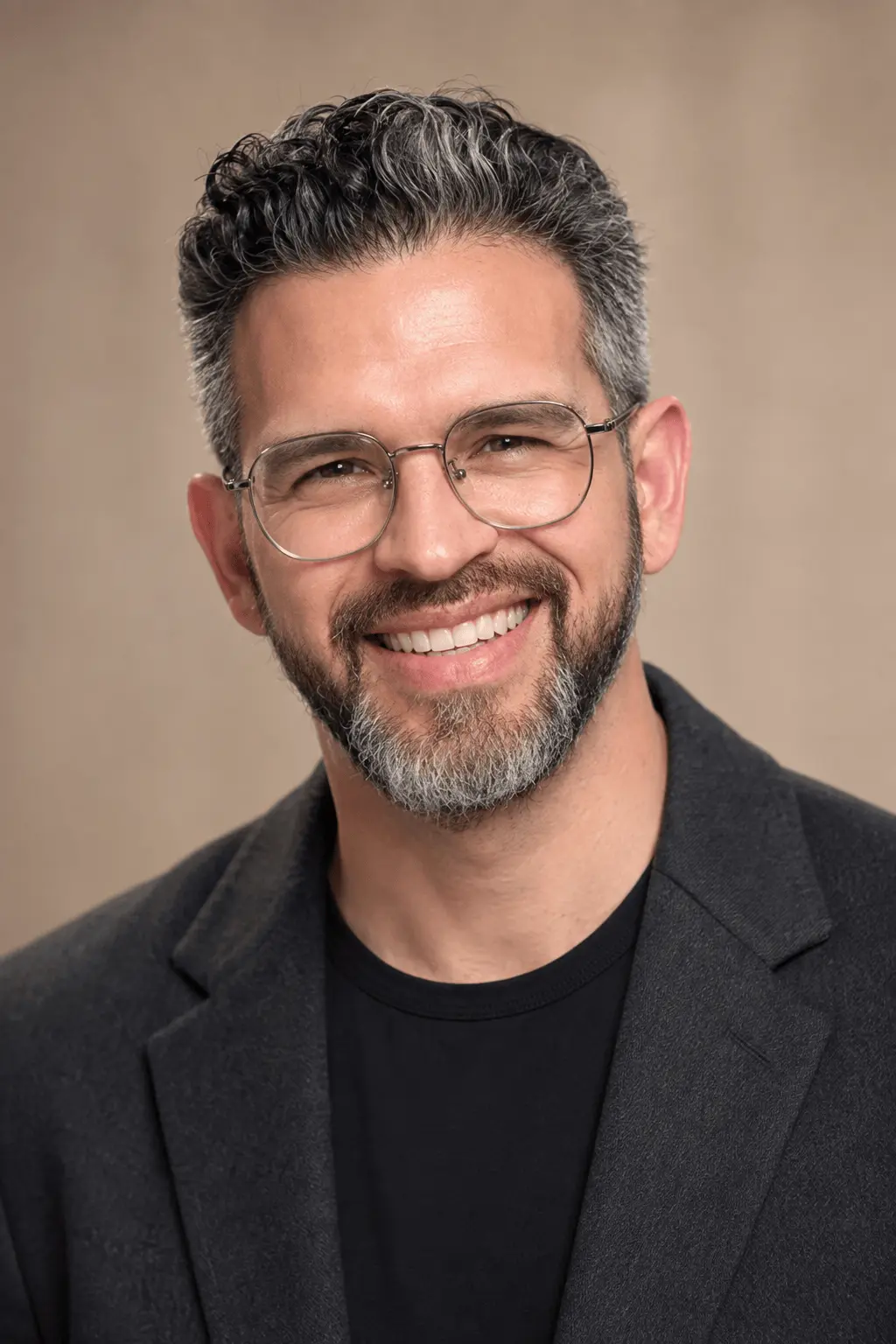
I got into this to do it differently.
I’m Charles Scribner, a psychiatric nurse practitioner in Brea. For sixteen years I worked at the bedside, and it shaped how I practice: I connect, I listen, and I stay in your corner.
Sixteen years at the bedside taught me what actually helps.
I spent years as a bedside nurse, in critical care and on psychiatric units, before becoming a nurse practitioner. That work teaches you something you can’t fake: how to stay steady with people on their hardest days, and how much changes when someone actually listens.
I also watched a lot of good people get fifteen minutes and a prescription. I wanted to practice the opposite way. So that’s what Peaceful Presence is... unrushed visits, real conversation, and care that looks at all of you.
I know some of this from the other side. I grew up without much stability, and without men to model myself on. That taught me early how much your environment and your support shape how you feel, and how much the right person at the right time can change.
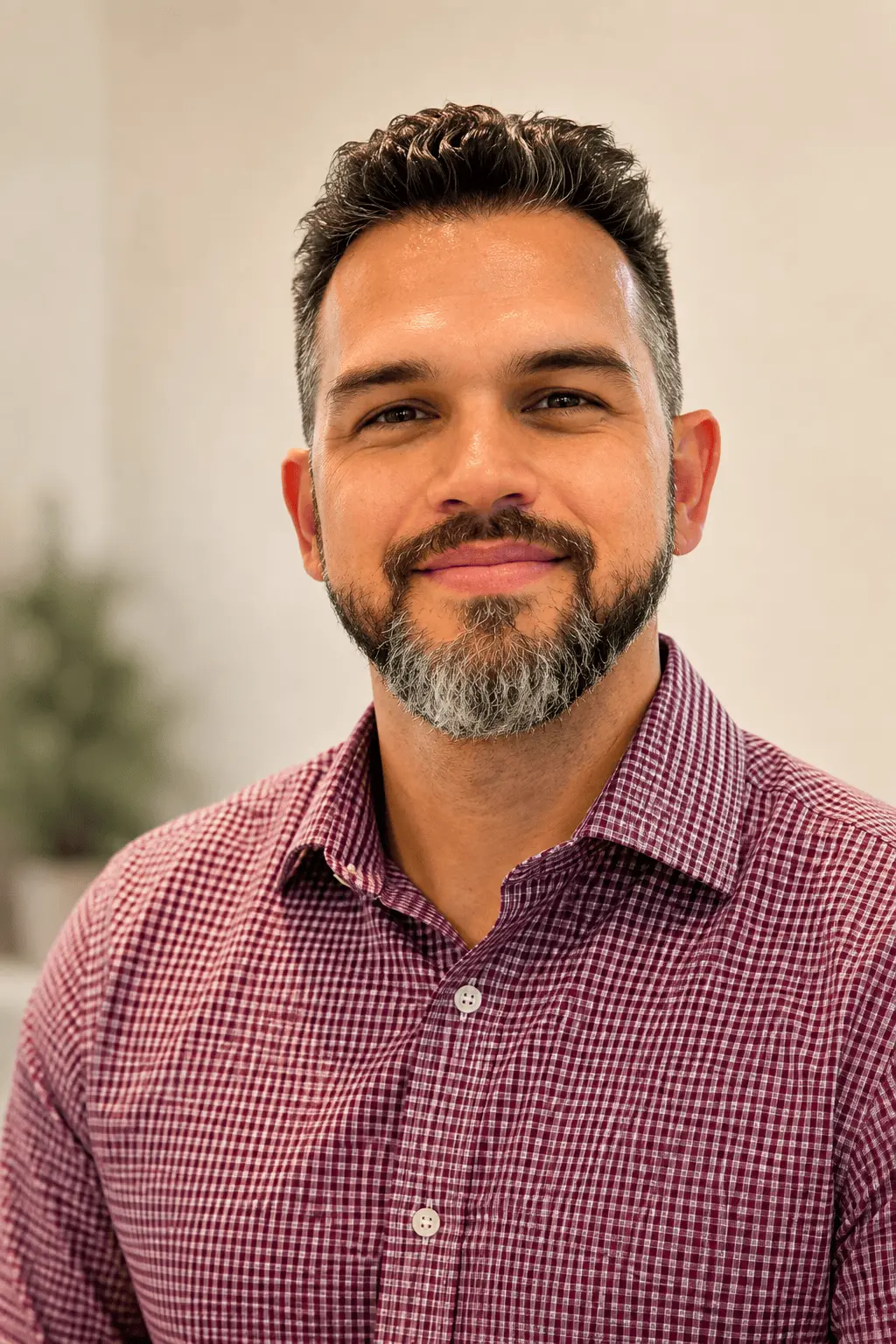
“Mental health isn’t about fixing what’s broken. It’s about recognizing and strengthening the capacities already in you.”
Your sleep, stress, focus, energy, and mood are all connected.
So we look at them together, not as separate problems. A lot of people come to me having done everything right and still feeling off... often it’s the connections no one mapped. We treat the whole person, not just a diagnosis, and build on the strengths already there.
Not fifteen minutes and a prescription.
We actually connect.
You'll talk with me, not a checklist. Real rapport is the first thing most people notice.
Whole-person, not just a script.
Psychiatric care with a functional lens: GeneSight genetic testing to guide medication, and labs for sleep, stress, and metabolism when they matter.
I practice what I preach.
I take my own health seriously, so the lifestyle guidance I give is something I actually live, not just recommend.
Care you can reach.
In-network with select insurance plans, in person in Brea and by video across California. Good care shouldn’t be out of reach.
We answer between visits.
Questions don't wait for your next appointment. Reach us by phone or email and our team typically responds within one to two business days, which matters most when you're starting or adjusting a medication.
The people I tend to see.
Different lives, same feeling. Capable on the outside, stretched thin underneath.
ADHD and focus.
Adolescents and adults whose attention, memory, and follow-through aren't keeping up with what their life asks of them.
New parents.
Exhausted, irritable, doubting yourself, and putting your own health last. It's far more common than anyone says out loud.
High-responsibility work.
Physicians, nurses, first responders, entrepreneurs, and athletes. People who perform under pressure until performing stops working.
Men and young men.
Looking for direction, steadiness, and someone in their corner. If you never had anyone to model that for you, it isn't a character flaw. It's a gap worth filling.
Identity and belonging.
Working out who you are, where you fit, and where you’re headed, with room to think out loud.
What sessions actually feel like.
Conversational and collaborative. Some moments are thoughtful and quiet, and there’s usually room for a little laughter too. We figure it out together, and you leave with a plan that actually fits your life.
Peaceful Presence works under standardized procedures with Dr. Aneel Ursani, MD, collaborating psychiatrist.
What patients say
“A great listener — listens with interest and intention. When he replies, you know you were heard. I’m grateful to have found him, especially since finding in-person care is difficult.”
“The first person on my long mental health journey who has actually listened to me!”
Pulled from real Google reviews · read more on Google →
Let’s figure out what’s really going on, together.
It starts with a free 15-minute call. No pressure, no commitment. Just a real conversation.
Charles Scribner, PMHNP-BC · 711 E. Imperial Hwy, Suite 101, Brea, CA 92821 · Telehealth across California